


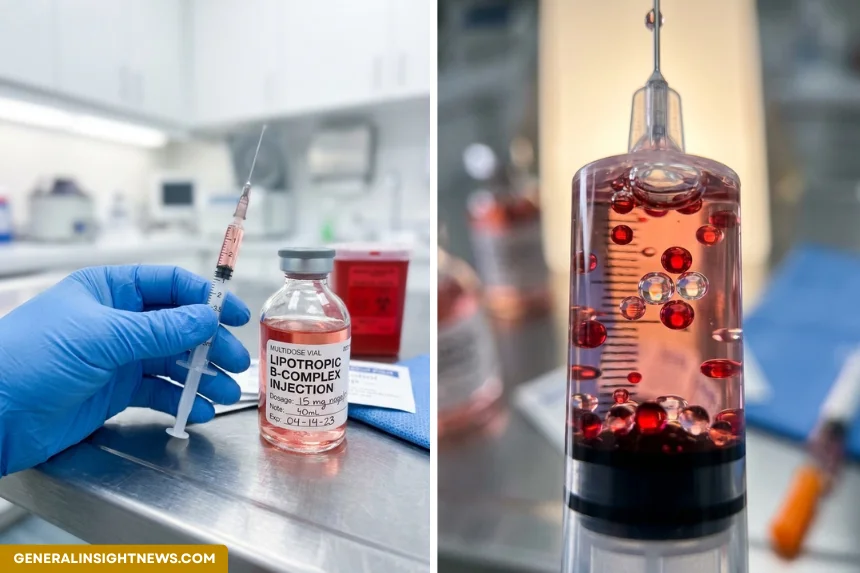
Lipotropic injections are shots that contain nutrients such as methionine, inositol, choline, and vitamin B12. Weight-loss clinics often market them as MIC or MIC-B12 injections. Some providers claim that these shots improve energy, support the liver, or help the body process fat.
However, the nutrients inside a shot do not automatically make it an effective weight-loss treatment. Research has not established a standard lipotropic formula, dose, schedule, or expected amount of weight loss. In addition, the U.S. Food and Drug Administration has not approved a lipotropic nutrient mixture for chronic weight management.
A vitamin B12 injection may help someone who has a confirmed deficiency. Still, that medical use differs from taking a mixed injection to burn fat. Before paying for lipotropic shots, ask what the product contains, who prepared it, and what evidence supports the clinic’s claims.
This guide provides general health information. It does not replace advice from a doctor, pharmacist, or registered dietitian.
What Are Lipotropic Injections?
Lipotropic injections are mixed shots that clinics promote as an aid for weight loss, energy, or fat metabolism. Providers may inject them into a muscle or under the skin, depending on the product.
Many clinics call them MIC injections because the formula often contains:
- Methionine
- Inositol
- Choline
Some formulas also contain vitamin B12, vitamin B6, carnitine, or other nutrients. However, the name “lipotropic injection” does not describe one standard medical product.
Therefore, two clinics may sell products with different ingredients and doses under the same name. One clinic may offer a simple B12 shot, while another may combine several vitamins and amino acids.
Many multi-ingredient shots come from compounding pharmacies. According to the FDA guidance on compounded drugs, compounded medicines do not receive FDA approval before they reach patients. As a result, the FDA does not confirm their safety, quality, or effectiveness in the same way that it reviews approved drugs.
What Does “Lipotropic” Mean?
The word “lipotropic” refers to substances that take part in the way the body moves or processes fats, especially in the liver.
For example, choline supports cell membranes and plays a role in lipid transport and metabolism. Methionine also takes part in several normal chemical reactions in the body.
However, a nutrient’s role in fat metabolism does not prove that extra amounts will reduce body fat. The body may already have enough of that nutrient. In that case, an injection may not produce an added benefit.
In other words, “involved in metabolism” does not mean “proven to cause weight loss.”
What Ingredients Do Lipotropic Shots Contain?
Because formulas vary, always ask the clinic for a complete ingredient list and the amount of each substance.
| Ingredient | Normal role in the body | What the evidence means |
|---|---|---|
| Methionine | An essential amino acid that supports protein production and other body processes | Its normal role does not prove that injections cause weight loss |
| Inositol | A compound involved in cell signals and several body processes | Research on specific health conditions does not prove that mixed shots reduce weight |
| Choline | Supports cell membranes, nerve signals, and lipid transport | Choline is essential, but extra injected choline has not become an approved obesity treatment |
| Vitamin B12 | Supports red blood cells, nerves, and DNA production | B12 injections can treat deficiency, but extra B12 does not act as a general fat burner |
| Carnitine | Helps move fatty acids into cells for energy production | A metabolic role does not guarantee meaningful weight loss |
| B-complex vitamins | Support several normal chemical reactions | Extra vitamins mainly help when a person lacks them |
The National Institutes of Health choline fact sheet explains that choline supports cell membranes, nerve function, and lipid transport. However, the fact sheet does not identify choline injections as an approved treatment for obesity.

Do Lipotropic Injections Help With Weight Loss?
Strong clinical evidence does not show that lipotropic injections produce reliable, long-term weight loss.
In addition, no standard formula exists. Researchers cannot easily compare results when clinics use different ingredients, doses, injection methods, and schedules.
People who receive the shots may also change their diet, increase physical activity, meet with a coach, or take another medicine at the same time. Therefore, any weight loss may come from the wider program rather than the injection.
The NIDDK guide to prescription weight-loss medicines lists FDA-approved medicines for chronic weight management. The list includes medicines such as semaglutide, tirzepatide, liraglutide, and several oral treatments. It does not include MIC or lipotropic nutrient injections.
This does not mean that every person will have the same experience. However, it does mean that clinics should not promise a set number of pounds, guaranteed fat loss, or permanent results.
Can Lipotropic Injections Increase Energy?
The answer depends on whether someone has a nutrient deficiency.
Vitamin B12 deficiency can cause fatigue, anemia, weakness, and nerve problems. Therefore, a person with a confirmed deficiency may feel better after proper treatment.
However, extra B12 does not appear to improve physical performance or endurance in people who already have enough vitamin B12. The NIH vitamin B12 fact sheet states that B12 supplements do not appear to improve performance when no deficiency exists.
As a result, feeling tired does not automatically mean that you need an injection. Fatigue can have many causes, including:
- Poor sleep
- Anemia
- Thyroid problems
- Low calorie intake
- Depression or anxiety
- Diabetes
- Medication side effects
- Sleep apnea
- Vitamin or mineral deficiencies
A clinician may recommend blood tests or another assessment before suggesting B12 treatment.

B12 Injections and Lipotropic Injections Are Not the Same
A B12 injection contains a form of vitamin B12, such as cyanocobalamin. Doctors use it to treat certain cases of vitamin B12 deficiency, especially when the body cannot absorb enough B12 through the digestive system.
A lipotropic injection usually contains several ingredients and aims to support weight loss or energy. Therefore, it does not serve the same medical purpose as prescribed B12 treatment.
The MedlinePlus guide to cyanocobalamin injections explains that doctors prescribe these injections to treat or prevent B12 deficiency linked to conditions such as pernicious anemia, poor absorption, or certain diets.
Before receiving a shot, ask whether the provider wants to treat a diagnosed deficiency or sell a general wellness product. That difference matters.
Lipotropic Injections vs. Semaglutide
Lipotropic shots and semaglutide work in different ways.
| Feature | Lipotropic injections | Semaglutide for weight management |
| Type | Mixed nutrients or amino acids | GLP-1 receptor agonist medicine |
| Standard formula | No | Yes, for each approved product |
| Main proposed purpose | Support metabolism or energy | Reduce appetite and support weight management |
| FDA approval for chronic weight management | No lipotropic mixture has approval for this use | Wegovy has approval for eligible patients |
| Evidence for weight loss | Limited and unclear | Supported by controlled clinical trials |
| Medical monitoring | Still important | Required because of risks, side effects, and eligibility rules |
| Common format | Often compounded | FDA-approved pens and some compounded versions exist |
Semaglutide does not suit everyone. It may cause side effects, and some people should not take it. However, an approved semaglutide product has gone through a formal review of its quality, safety, and effectiveness for specific uses.
In contrast, clinics often sell lipotropic injections as supplements to a weight-loss plan. Therefore, patients should not treat them as a lower-cost version of semaglutide or assume that both options produce similar results.
Are Lipotropic Shots the Same as Fat-Dissolving Injections?
No. These treatments have different goals and ingredients.
A clinic usually injects a lipotropic mixture into a muscle or under the skin to produce a general effect. By contrast, a provider injects a fat-dissolving product directly into a specific pocket of fat.
Some unapproved fat-dissolving injections contain phosphatidylcholine or deoxycholate. The FDA has warned that unapproved products sold for this purpose may cause infections, scars, painful knots, cysts, or skin damage.
Kybella is an FDA-approved deoxycholic acid injection for reducing moderate to severe fat under the chin in adults. However, approval does not cover other areas of the body.
Therefore, do not confuse MIC injections with cosmetic injections that aim to destroy fat cells.
Possible Side Effects of Lipotropic Injections
Side effects depend on the exact formula, dose, injection method, and personal health history.
Possible problems may include:
- Pain at the injection site
- Redness or swelling
- Bruising
- Headache
- Nausea
- Diarrhea
- Dizziness
- Rash or itching
- An allergic reaction
- Infection
- Reactions caused by another ingredient in the mixture
Vitamin B12 injections can also cause uncommon but serious reactions. MedlinePlus advises patients to seek medical help for symptoms such as hives, breathing trouble, difficulty swallowing, or severe swelling.
In addition, a mixed formula may contain an ingredient that interacts with a medicine, health condition, or supplement. For this reason, give the provider a complete list of everything you take.
When Should You Get Medical Help?
Seek urgent medical help after an injection if you develop:
- Trouble breathing or swallowing
- Swelling of the lips, tongue, face, or throat
- Fainting or severe dizziness
- A widespread rash or hives
- Severe chest pain
- Rapidly increasing swelling
- High fever
- Severe pain at the injection site
- Redness that spreads away from the injection site
- Pus or other signs of infection
Contact the clinic promptly if mild redness, pain, bruising, or swelling continues to get worse instead of improving.
Injection Safety Matters
Even a simple vitamin shot can spread infection when a clinic uses unsafe methods.
The CDC safe injection guidance explains that reused needles, syringes, or improperly handled vials can spread hepatitis B, hepatitis C, bacterial infections, fungal infections, and possibly HIV.
Therefore, the provider should:
- Use a new needle and syringe for every injection
- Wash or sanitize their hands
- Clean the injection site
- Store the medicine correctly
- Follow single-dose and multi-dose vial rules
- Dispose of needles in a sharps container
- Explain what they injected and how much they used
Do not accept a shot from an unlicensed seller, gym employee, beauty technician, or online vendor who cannot show proper medical oversight.
Who Should Avoid Lipotropic Injections?
Speak with a qualified healthcare professional before considering a shot, especially if you:
- Are pregnant or breastfeeding
- Have kidney or liver disease
- Have diabetes
- Have a history of severe allergies
- Have an allergy to cobalt or vitamin B12 products
- Take several medicines or supplements
- Have a bleeding disorder
- Take blood-thinning medicine
- Have an active infection
- Have unexplained fatigue or weight loss
- Plan to give the injection to a child or teenager
Pregnant people should not pursue weight loss without guidance from an obstetric healthcare professional. However, a clinician may still treat a diagnosed nutrient deficiency during pregnancy with an appropriate product and dose.
How Often Do People Receive Lipotropic Injections?
No official weight-loss schedule applies to all lipotropic injections.
Some clinics offer weekly shots, while others recommend different schedules. However, a clinic’s schedule does not prove that research supports it.
The correct schedule for a prescribed B12 injection depends on the cause and severity of the deficiency. In contrast, clinics often create their own plans for MIC injections.
Therefore, ask the provider to explain:
- Why they chose the dose
- What evidence supports the schedule
- How they will measure progress
- When they will stop treatment
- What happens if the shots do not help
Avoid clinics that sell long prepaid packages before reviewing your health history.
How Much Do Lipotropic Injections Cost?
Prices vary by clinic, formula, location, and package size. In addition, many insurance plans do not cover injections that lack a clear medical need.
Instead of focusing only on the price per shot, ask for the total expected cost. This total may include:
- The first consultation
- Blood tests
- Weekly or monthly injections
- Follow-up appointments
- Nutrition coaching
- Membership charges
- Cancellation fees
- Other weight-loss products
Also, ask whether the clinic will refund unused treatments if you develop a side effect or choose to stop.
Questions to Ask Before Receiving an Injection
A responsible clinic should answer basic safety questions clearly.
Ask:
- What exact ingredients does the injection contain?
- How much of each ingredient will I receive?
- Is the product compounded?
- Which pharmacy prepared it?
- Is the pharmacy licensed in my state?
- Who will prescribe and inject it?
- What licence does that person hold?
- What evidence supports the weight-loss claim?
- What side effects should I watch for?
- Could the ingredients interact with my medicines?
- Do I need blood tests first?
- How will you track whether the treatment works?
- What happens if I have a reaction?
Do not rely on terms such as “skinny shot,” “fat-burning shot,” “metabolism booster,” or “detox injection.” Instead, request the medical name of every ingredient.
Red Flags at a Weight-Loss Clinic
Consider choosing another provider when a clinic:
- Promises guaranteed weight loss
- Claims that the shot melts fat
- Refuses to share the full formula
- Cannot name the compounding pharmacy
- Offers the same dose to every patient
- Skips your medical history
- Does not ask about medicines or allergies
- Pressures you to buy a large package
- Uses unlicensed staff
- Sells injections for home use without training
- Claims that a compounded product has FDA approval
- Suggests that the shot can replace food, exercise, or medical care
A trustworthy provider will discuss uncertainty as well as possible benefits.
What Works Better for Long-Term Weight Management?
A useful weight-management plan starts with your health needs rather than one product.
Depending on your situation, a clinician may recommend:
- Changes to food portions or meal patterns
- More daily movement
- Strength and aerobic exercise
- Better sleep
- Treatment for sleep apnea
- Support for stress or emotional eating
- A registered dietitian
- An FDA-approved weight-management medicine
- Metabolic or bariatric surgery
- Treatment for an underlying health condition
Moreover, a good plan should track more than the number on a scale. Blood pressure, blood sugar, strength, waist size, sleep, and quality of life may also matter.
Lipotropic injections should not replace a full medical assessment or a proven treatment when one is appropriate.
Frequently Asked Questions
Are lipotropic injections FDA-approved?
The FDA has not approved a lipotropic nutrient mixture for chronic weight management. In addition, many clinics use compounded products, which do not receive FDA approval before sale.
Do lipotropic injections burn belly fat?
No reliable evidence shows that the shots target belly fat. The body does not choose where to lose fat based on the site of a MIC injection.
How much weight can you lose with lipotropic shots?
Research has not established a reliable amount. Be cautious when a clinic promises a specific number of pounds or a fixed weekly result.
How quickly do lipotropic injections work?
No standard timeline exists because formulas and treatment plans vary. In addition, any change may result from diet, exercise, another medicine, or the wider weight-loss program.
Are lipotropic injections safe?
Safety depends on the ingredients, dose, preparation, injection method, and your health. Compounded products also carry extra uncertainty because the FDA does not review them before marketing.
Can B12 injections help you lose weight?
B12 injections can treat a deficiency. However, extra B12 has not shown a general weight-loss or performance benefit in people who already have enough.
Can you use lipotropic injections with semaglutide?
Do not combine them without approval from the clinician who manages your semaglutide. The mixed shot may contain ingredients that affect your health, symptoms, or other medicines.
Do lipotropic injections reduce appetite?
Typical MIC ingredients do not work like GLP-1 medicines that target appetite pathways. Therefore, clinics should not present them as a direct substitute for semaglutide or tirzepatide.
Can you inject lipotropic shots at home?
Only use an injectable product at home when a licensed clinician prescribes it, a qualified pharmacy supplies it, and a healthcare professional teaches you the correct method.
Are lipotropic injections worth the cost?
The answer depends on the reason for treatment. A prescribed injection may have value when it treats a confirmed deficiency. However, evidence does not support guaranteed weight loss from a general MIC shot.
Conclusion
Lipotropic injections usually combine methionine, inositol, choline, vitamin B12, or similar nutrients. Although these substances support normal body functions, researchers have not shown that mixed shots produce reliable, lasting weight loss.
A B12 injection can help treat a diagnosed deficiency. However, that benefit does not prove that MIC injections burn fat in people with normal nutrient levels.
Before receiving a shot, ask for the full formula, dose, pharmacy name, provider credentials, safety plan, and evidence behind the claims. Most importantly, choose a weight-management plan that addresses your health, habits, and long-term needs.
Discover more on our website about mid back pain right side