


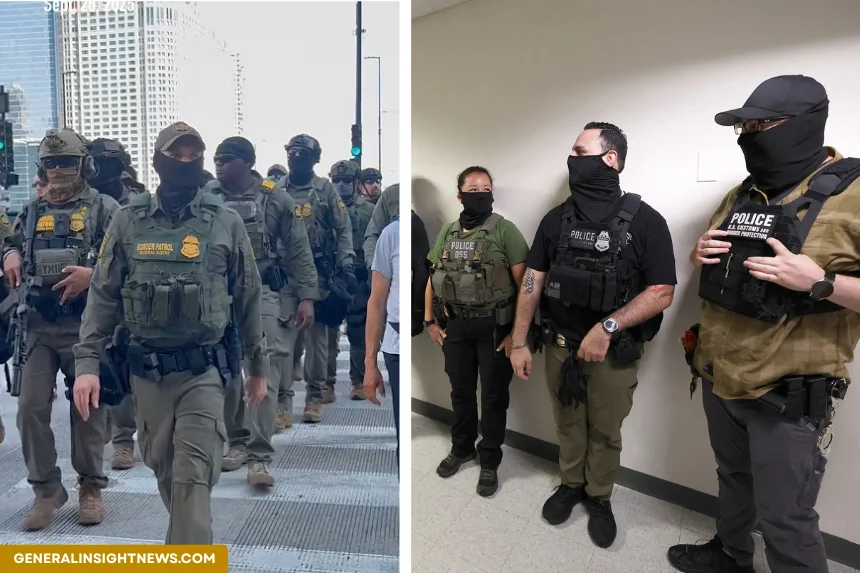
Becoming an ICE agent can take several months to more than a year, depending on the role, hiring cycle, background investigation, medical and fitness requirements, and training schedule. The phrase “ICE agent” is often used casually, but U.S. Immigration and Customs Enforcement has different law enforcement roles. Two of the most commonly discussed are Homeland Security Investigations special agents and Enforcement and Removal Operations deportation officers.
For HSI special agents, basic training is listed as approximately 22 weeks in total. For ICE deportation officer recruits, recent training timelines have changed and remain publicly debated. ICE career pages also state that security vetting alone averages about three months, but can range from two weeks to one year depending on the applicant and position.
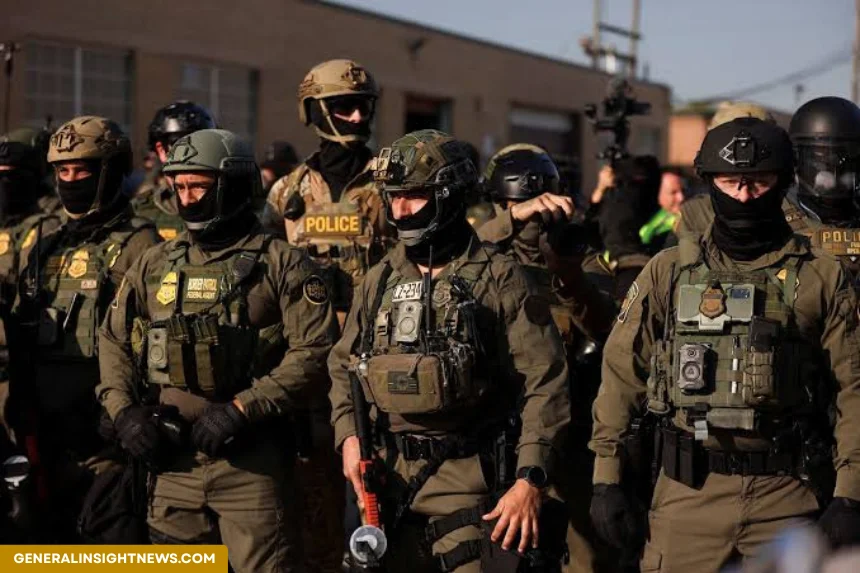
What Does “ICE Agent” Usually Mean?
“ICE agent” is not always a precise job title. Readers usually mean one of these ICE law enforcement roles:
| Role | Main focus | Typical training reference |
|---|---|---|
| HSI special agent | Criminal investigations involving areas such as human trafficking, financial crimes, smuggling, cybercrime, and national security-related violations | About 22 weeks of basic training |
| ERO deportation officer | Immigration enforcement, custody management, removal operations, and related field work | Recent recruit training has been reported by DHS as 56 days plus average on-the-job training |
| Detention and deportation officer | Detention, custody, removals, and related operational duties | Requirements vary by announcement and assignment |
The exact timeline depends on the job announcement. Federal hiring requirements can change, so applicants should rely on the current USAJOBS posting and official ICE career pages before making plans.
How Long Does the Whole Process Take?
A realistic estimate is 6 months to 18 months from application to full entry into the role. Some applicants move faster, especially if hiring needs are high and their background is straightforward. Others wait much longer because of security vetting, medical review, polygraph requirements, fitness testing, academy scheduling, or delays between hiring steps.
A typical timeline may look like this:
| Stage | Estimated time |
| Application and initial screening | A few weeks to several months |
| Assessments, interviews, and tentative selection | Several weeks to several months |
| Medical, drug, fitness, and possible polygraph steps | Several weeks to several months |
| Security vetting/background investigation | Average about 3 months, but can range from 2 weeks to 1 year |
| Academy training | Roughly 8 to 22 weeks, depending on role and current program |
| Field or on-the-job training | Varies by office and role |
ICE says security vetting averages about three months, but the process can vary from two weeks to one year. That range is one reason two applicants for similar roles may have very different timelines.
How Long Is ICE Academy Training?
The answer depends on the ICE role.
HSI Special Agent Training
For Homeland Security Investigations special agents, a 2026 USAJOBS criminal investigator announcement states that basic training consists of the Federal Law Enforcement Training Centers Criminal Investigator Training Program and the HSI Special Agent Training Program. The announcement lists the total training time as approximately 22 weeks.
That training is mandatory for continued employment. The same USAJOBS announcement says a trainee may be temporarily reassigned to a non-law-enforcement position if they fail to complete basic training.
Deportation Officer Training
For deportation officers, the timeline has been less straightforward because ICE training has been changed and debated publicly.
In June 2025, ICE described its academy program for prospective deportation officers as lasting 16 weeks, with trainees also required to attend a 25-day Spanish-language course unless they tested out.
In 2026, DHS said new ICE recruits receive 56 days of training and an average of 28 days of on-the-job training, while also denying that training requirements had been removed.
Associated Press reporting in February 2026 described whistleblower allegations that deportation officer training had been cut and that key practical components had been reduced. DHS denied cutting corners and said recruits still receive firearms, use-of-force, and constitutional instruction.
Because of these changes and disputes, the safest way to describe current deportation officer training is this: recent DHS statements put new ICE recruit training at 56 days plus average on-the-job training, but prior ICE materials and whistleblower-backed reporting describe longer or reduced programs depending on the period being discussed.
Why the Timeline Can Vary So Much
The ICE hiring process is not only about academy length. The longest delays often happen before a recruit reaches training.
Background and Security Vetting
All ICE positions require security vetting. ICE states that vetting averages about three months but can take from two weeks to one year. The timeline depends on the applicant’s history and the level of vetting required for the role.
For federal law enforcement positions, investigators may review employment, residence, education, credit, criminal history, foreign contacts, and other suitability factors. For some roles, applicants may also face a polygraph or more detailed review.
Medical and Fitness Requirements
ICE law enforcement roles can require a medical exam, drug test, and physical fitness test. A 2026 HSI criminal investigator announcement says a Physical Fitness Test is required and that two failures can remove an applicant from the hiring process. It also states that fitness testing is administered again during basic training.
Polygraph and Additional Screening
Some ICE positions may require a polygraph. The HSI criminal investigator announcement states that ICE may require applicants to submit to and successfully complete polygraph testing as a pre-employment requirement.
Academy Scheduling
Even after an applicant clears hiring steps, academy dates may depend on class availability, agency staffing needs, funding, and training-center capacity. A person can be selected but still wait before reporting to training.
Minimum Requirements to Become an ICE Agent
Requirements vary by position, but ICE law enforcement applicants commonly need to meet several baseline conditions.
For an HSI criminal investigator role, a 2026 USAJOBS announcement listed requirements including U.S. citizenship, a valid driver’s license before final job offer, firearm eligibility, successful completion of basic training, physical fitness testing, and medical requirements. It also stated that applicants generally must apply before their 37th birthday, with certain exceptions for preference-eligible veterans or prior federal civilian law enforcement service.
For deportation officer roles, official ICE career listings commonly refer to security vetting, drug testing, and other pre-employment requirements.
Applicants should read the exact USAJOBS announcement carefully because the listed grade level, experience, education, age rules, testing steps, and location requirements may differ.
Can You Become an ICE Agent Quickly?
Some applicants may receive faster processing during hiring surges, but becoming an ICE law enforcement officer is not usually a quick process. Even when academy training is measured in weeks, the full path includes federal hiring, background investigation, medical clearance, drug testing, possible fitness testing, possible polygraph, and academy placement.
A person with a clean background, strong qualifications, complete paperwork, and flexible availability may move faster. A person with complex employment history, foreign contacts, financial issues, medical review needs, or missing documents may take longer.
Does College Help You Become an ICE Agent?
College can help, especially for special agent roles, but the exact requirement depends on the position and grade level. HSI criminal investigator announcements may allow applicants to qualify through specialized experience, education, or a combination of both. The 2026 USAJOBS announcement lists qualifying experience examples such as investigative work, database queries, and collecting or analyzing information for criminal or administrative actions.
A degree in criminal justice, homeland security, cybersecurity, finance, accounting, international relations, or a language-related field may be useful, but it does not replace the required hiring process or academy training.
Is ICE Training the Same as Police Training?
ICE training is federal law enforcement training, but it is not identical to local police academy training. ICE recruits train for federal immigration and investigative authorities, agency policies, constitutional rules, use of force, firearms, defensive tactics, documentation, and role-specific procedures.
For HSI special agents, training includes the Criminal Investigator Training Program and HSI-specific special agent training. For deportation officers, training focuses more on immigration enforcement, removals, custody-related work, and field operations.
Public debate in 2026 focused especially on whether deportation officer training had been shortened too much. DHS said training remained comprehensive, while a former ICE lawyer involved in training told a congressional forum that the program had become deficient.
Steps to Become an ICE Agent
1. Choose the Right ICE Role
Start by deciding whether you are interested in investigations, deportation operations, detention and removal work, intelligence, technical enforcement, or another ICE career track.
2. Check Current USAJOBS Announcements
ICE law enforcement openings are usually posted through USAJOBS. Read the announcement carefully because it controls eligibility, grade level, location, application deadline, testing, and required documents.
3. Submit a Complete Application
Incomplete applications can delay or end your candidacy. Federal resumes are usually longer and more detailed than private-sector resumes. Use specific examples of experience, training, education, and measurable responsibilities.
4. Complete Assessments and Interviews
Depending on the role, applicants may face online assessments, structured interviews, written evaluations, or oral boards.
5. Pass Pre-Employment Requirements
This may include drug testing, medical screening, fitness testing, security vetting, and possibly a polygraph.
6. Attend and Pass Academy Training
Training is mandatory for law enforcement roles. For HSI special agents, the listed basic training length is approximately 22 weeks. For deportation officer recruits, recent DHS statements list 56 days of training plus average on-the-job training, though recent reporting has noted disagreement over training cuts.
7. Complete Field or On-the-Job Training
After academy graduation, new officers or agents may receive field training, supervision, or office-specific instruction. The structure varies by role and duty location.
Common Reasons the Process Takes Longer
The process may slow down if:
- Your background investigation needs extra review.
- You have incomplete employment, address, or education records.
- Medical documentation is missing or requires follow-up.
- You need to retake or resolve a fitness-related issue.
- Academy seats are not immediately available.
- The hiring announcement closes, changes, or pauses.
- Your selected duty location has limited openings.
Applicants can reduce delays by keeping records organized, responding quickly to requests, and being accurate on all federal forms.
FAQs
How long does it take to become an ICE agent from start to finish?
Most applicants should expect several months to more than a year. Security vetting alone averages about three months but can take from two weeks to one year, and academy training varies by role.
How long is HSI special agent training?
HSI special agent basic training is approximately 22 weeks in total, according to a 2026 USAJOBS criminal investigator announcement.
How long is ICE deportation officer training?
Recent DHS statements say new ICE recruits receive 56 days of training and an average of 28 days of on-the-job training. Earlier ICE materials described a 16-week program plus a 25-day Spanish-language course unless the trainee tested out.
Is the 47-day ICE training claim accurate?
The claim depends on which period and training program is being discussed. Some 2026 reporting and whistleblower allegations described shortened training, while DHS publicly said recruits receive 56 days of training plus average on-the-job training and denied removing requirements.
Do you need a degree to become an ICE agent?
Not always. Some ICE roles allow applicants to qualify through experience, education, or a combination. Special agent roles may be more competitive and often benefit from relevant education or investigative experience.
Can prior law enforcement experience speed up the process?
It may help an applicant qualify and compete, but it does not remove the need to satisfy ICE’s current hiring, vetting, medical, fitness, and training requirements.
Conclusion
It usually takes several months to more than a year to become an ICE agent, depending on the role and the applicant’s background. HSI special agent training is listed at about 22 weeks, while deportation officer training has recently been described by DHS as 56 days plus average on-the-job training. The biggest variable is often not the academy itself, but the federal hiring and security-vetting process before training begins.
Discover more on our website about will savannah guthrie return to the today show