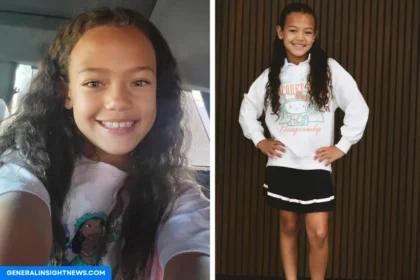



Sade Carleena Robinson was 19 years old. She worked, studied, and planned for a future in Milwaukee. In April 2024, she disappeared after a first date with Maxwell Anderson. Her death later became one of Wisconsin’s most followed criminal cases.
Who Sade was, what happened, what evidence prosecutors used, what the jury decided, and how her family and community continue to honor her. The goal is not to focus on graphic details. The goal is to give readers a clear, respectful, and accurate guide to the Sade Robinson case.
Legal-status note: This article shares public information from court coverage and news reporting. It does not give legal advice.
Who Was Sade Carleena Robinson?
She was a 19-year-old Milwaukee student and worker. She studied criminal justice, worked multiple jobs, and had started building an independent life before her death in April 2024. Her family and community now honor her through public memorial efforts and Sade’s Voice Foundation.
Sade’s Life and Goals
Sade Robinson was more than a name in a court case. She had school, work, family, friends, and plans for her future.
CBS News reported that Sade studied full time at a local technical college. She also worked two jobs, had her own apartment, bought her own car, and planned to graduate with an associate degree in criminal justice.
Those details matter. They show a young woman who carried adult responsibilities at 19. She worked, studied, paid bills, and built a path forward.
Why Her Story Should Start With Her Life
Many true-crime stories focus only on the final hours of a victim’s life. That approach can make the person seem like a case file instead of a full human being.
Sade’s story should start with who she was. Sade Robinson was a student. She was an employee. She was a daughter, sister, friend, and community member. The legal case explains what happened to her. Her life explains why so many people continue to say her name.
Sade Robinson was a young Milwaukee woman with school, work, family, and future plans. Any accurate article about her should center her life, not only the crime.

What Happened to Sade Robinson?
Sade Robinson disappeared after going on a first date with Maxwell Anderson on April 1, 2024. Investigators used phone data, surveillance footage, and vehicle evidence to trace her final known movements. A Milwaukee jury later convicted Anderson, and a judge sentenced him to life in prison without eligibility for extended supervision.
April 1, 2024: The Date
The main timeline starts on April 1, 2024. Sade worked that day and later met Maxwell Anderson for a date in Milwaukee.
CBS News reported that Sade and Anderson went to The Twisted Fisherman. Investigators later reviewed security footage from that location. The two also went to Duke’s on Water, another Milwaukee bar.
These details helped investigators build a timeline. They used video, phone data, and other records to follow Sade’s movements after she left work.
April 2, 2024: The Missing Person Report
A friend reported Sade missing on April 2, 2024. The Associated Press reported that investigators soon found human remains near Warnimont Park along Lake Michigan.
Sade’s phone data also became important. CBS News reported that Sade’s sister checked the Life360 app and saw that Sade’s phone had gone to Warnimont Park. Life360 is a phone-location app that can show where a device has traveled.
April 2024: Arrest and Charges
Police arrested Anderson in April 2024. Prosecutors charged him with first-degree intentional homicide, mutilating a corpse, and arson. Prosecutors later also pursued a hiding-a-corpse charge.
The Associated Press reported that investigators believed Anderson killed Sade, dismembered her body, spread remains around Milwaukee County, and burned her car to hide evidence.
Simple Timeline of the Case
| Date | Event |
|---|---|
| April 1, 2024 | Sade worked, then met Maxwell Anderson for a date in Milwaukee. |
| April 2, 2024 | A friend reported Sade missing. Investigators found human remains near Warnimont Park. |
| April 2024 | Police arrested Anderson and prosecutors filed charges. |
| June 6, 2025 | A Milwaukee jury convicted Anderson on all counts. |
| August 1, 2025 | Judge Laura Crivello sentenced Anderson to life in prison without eligibility for extended supervision. |
| August 2025 onward | Anderson began the post-conviction appeal process. |
The Sade Robinson case moved from a missing-person report to a homicide case through phone records, video footage, vehicle evidence, and court testimony.
What Evidence Did Prosecutors Present?
Prosecutors used surveillance footage, phone-location data, vehicle evidence, digital evidence, and DNA-related evidence. They argued that these pieces created a clear timeline. The defense argued that the case had gaps, but the jury convicted Anderson on all counts.
Location and Phone Evidence
Phone data played a major role in the investigation. Investigators used Life360 records and other phone-related evidence to track Sade’s movements after the date.
CBS News reported that Sade’s phone showed movement to Warnimont Park in the early morning hours after the date. Her phone battery later died.
This evidence helped investigators connect the timeline from the date to locations tied to the case.
Surveillance Footage
Prosecutors also used surveillance footage. Video showed Sade and Anderson at Milwaukee businesses on the night of April 1.
The Associated Press reported that prosecutors used surveillance video, cellphone text records, and tracking records to show that Anderson and Robinson spent time together before going to Anderson’s apartment.
Surveillance footage helped prosecutors show where Sade went and who she was with before she disappeared.
Vehicle Evidence
Sade’s car became another key part of the case. CBS News reported that investigators found her vehicle burned behind an abandoned building. Investigators treated the fire as likely arson. Source: CBS News
Prosecutors argued that Anderson burned the car to hide evidence. The arson charge came from that part of the case.
Digital and Physical Evidence
The Associated Press reported that prosecutors also pointed to photos recovered from Anderson’s phone and other digital evidence. Prosecutors argued that the digital evidence supported their timeline and theory of the crime. Source: Associated Press
Physical evidence also played a role. Reports described DNA-related evidence and items tied to Anderson, Sade, and the places investigators searched.
Defense Arguments
The defense challenged the prosecution’s case. Anderson’s attorney argued that prosecutors had not proved intent beyond a reasonable doubt.
AP reported that the defense pointed to the lack of a clear motive, the unknown exact cause of death, and the absence of a reported struggle.
These arguments mattered because first-degree intentional homicide requires proof that a person meant to kill. The jury still found Anderson guilty.
Prosecutors did not rely on one piece of evidence. They used many pieces together, including phone records, video, car evidence, and digital records. The defense disputed the state’s theory, but the jury accepted the prosecution’s case.
What Was Maxwell Anderson Convicted Of?
A Milwaukee jury convicted Maxwell Anderson on June 6, 2025, of first-degree intentional homicide, mutilating a corpse, hiding a corpse, and arson in connection with Sade Robinson’s death.
The Jury’s Verdict
Wisconsin Public Radio reported that a Milwaukee jury found Anderson guilty on all counts on June 6, 2025. The counts included first-degree intentional homicide, mutilating a corpse, hiding a corpse, and arson.
The verdict came more than a year after Sade disappeared. It also changed how current articles should describe the case. Before the verdict, reporters had to describe Anderson as accused or charged. After the verdict, accurate coverage can say a jury convicted him.
What First-Degree Intentional Homicide Means
First-degree intentional homicide means prosecutors proved that a person intentionally caused another person’s death. It is one of the most serious criminal charges under Wisconsin law.
WPR reported that this conviction carried a mandatory life sentence.
This charge mattered most because it decided the core question at trial: whether Anderson intentionally killed Sade.
What the Other Counts Mean
The other convictions addressed what prosecutors said happened after Sade died.
The mutilating-a-corpse count related to the handling of Sade’s body. The hiding-a-corpse count related to prosecutors’ claim that Anderson tried to conceal what happened. The arson count related to the burning of Sade’s car.
These counts helped the jury address the full chain of events, not only the killing.
Anderson is now a convicted defendant in this case. A current article should say that a jury convicted him, while also noting that he has started the appeal process.
What Sentence Did Maxwell Anderson Receive?
Judge Laura Crivello sentenced Maxwell Anderson on August 1, 2025, to life in prison without eligibility for extended supervision. That means Anderson cannot seek release through Wisconsin’s extended supervision system.
The Life Sentence
Wisconsin Public Radio reported that Milwaukee County Judge Laura Crivello sentenced Anderson to life in prison on August 1, 2025. The judge gave him no eligibility for extended supervision.
Extended supervision works in a way that resembles parole, although Wisconsin uses its own legal terms. In simple terms, Anderson’s sentence means he will not have a release date through extended supervision.
What Prosecutors and Defense Asked For
Prosecutors asked the judge to impose life without eligibility for extended supervision. The defense asked the judge to allow Anderson to become eligible after 25 years.
The judge chose the stricter sentence. That decision reflected the seriousness of the conviction and the facts the court heard during trial and sentencing.
Family Impact at Sentencing
Sade’s family spoke at sentencing. WPR reported that family members described the pain, loss, and unanswered questions they still carried.
Victim impact statements give families a chance to explain how a crime changed their lives. In Sade’s case, those statements showed that the verdict did not end the grief.
Appeal and Post-Conviction Status
Anderson denied guilt at sentencing. Local outlets later reported that he started the post-conviction process.
FOX6 reported that Anderson filed a notice of intent to pursue post-conviction relief on August 5, 2025.
A notice of intent does not overturn a conviction. It only starts the legal process that may lead to an appeal or other post-conviction request.
Anderson received life in prison with no release eligibility through extended supervision. He has started post-conviction steps, but the conviction and sentence remain the key public facts unless a court changes them later.
What Remains Unresolved?
The jury decided Anderson’s guilt at trial, but some questions remain unresolved. Public reporting has noted questions about motive, the exact cause of death, and the recovery of all of Sade’s remains. Responsible coverage should state those limits clearly and avoid guessing.
The Question of Motive
A motive explains why someone may have committed a crime. In this case, public reporting has not confirmed a clear motive.
CBS News reported that the defense pointed to the lack of a clear motive during trial.
Motive matters to many families because it can help them understand why the crime happened. But prosecutors do not always need to prove motive to win a homicide conviction.
The Exact Cause of Death
The exact cause of Sade’s death also remained a point of dispute in public trial coverage.
CBS News reported that the defense argued authorities could not state precisely how Sade died.
This detail does not erase the conviction. It does show why the case still leaves painful questions for Sade’s family and community.
Unrecovered Remains
WPR’s sentencing coverage reported that Sade’s family still wanted answers about remains that authorities had not recovered.
A respectful article should not repeat graphic details more than needed. It should explain that the issue remains important because it affects the family’s grief and search for closure.
Appeal Questions
The appeal process also remains open. Anderson began post-conviction steps after sentencing, according to local reporting.
Readers should not treat online rumors as updates. Appeals can take time, and only court records or reliable reporting can confirm major legal changes.
The verdict answered the legal question of guilt at trial. It did not answer every question about motive, cause of death, unrecovered remains, or future appeal outcomes.
How Does Sade’s Family and Community Honor Her?
Sade’s family and community honor her through public advocacy, memorial efforts, community support, and Sade’s Voice Foundation. These efforts focus attention on her life, violence prevention, survivor support, youth education, and healing.
Sade’s Voice Foundation
Sade’s Voice Foundation describes itself as a Wisconsin-based nonprofit created to honor Sade Robinson. The foundation says it supports violence prevention, survivor support, youth education, and trauma-informed community healing.
This mission matters because it turns public attention toward prevention and support. It also helps people remember Sade through action, not only grief.
Memorial Efforts
Community members have also worked to honor Sade through memorial efforts.
WPR reported that a planned public memorial at Warnimont Park moved forward through fundraising after Milwaukee County officials withdrew a county proposal.
A memorial can help a community mark a loss. It can also remind the public that Sade had a name, a family, and a life beyond the crime.
Racist Backlash and Public Support
WPR reported that Milwaukee County officials withdrew a memorial proposal after receiving racist emails and comments. Community members later supported fundraising efforts tied to the memorial and Sade’s Voice Foundation.
A responsible article does not need to repeat hateful messages. It can simply state that racist backlash occurred and that supporters responded with public action.
Why Legacy Matters
Legacy matters because true-crime coverage can easily focus on the person who committed the crime. That can push the victim’s identity into the background.
In Sade’s case, her family and supporters have worked to keep her name visible. They have also connected her memory to education, prevention, and healing.
Sade Robinson’s legacy lives through family advocacy, community support, memorial efforts, and prevention-focused work. Strong coverage should keep that legacy visible.
Why Did the Sade Robinson Case Draw Wider Attention?
The Sade Robinson case drew wider attention because it involved a young Black woman killed after a date, a high-profile Milwaukee trial, disturbing efforts to hide evidence, and racist backlash to a memorial proposal. The case also connected to wider concerns about violence against Black women.
The Case Shocked Milwaukee and Beyond
The facts of the case drew major public attention. Sade was 19. She disappeared after a first date. Investigators later found her burned car and human remains.
Local and national outlets covered the case because it involved a missing young woman, digital evidence, a long investigation, and a murder trial. WPR, AP, CBS News, FOX6, and other outlets reported major updates.
The Case Raised Concerns About Violence Against Black Women
Sade’s death also became part of a wider discussion about race, gender, and safety.
Columbia University’s Mailman School of Public Health summarized a 2024 Lancet study that found Black women in the United States faced a much higher homicide risk than white women from 1999 through 2020. The summary also reported that Wisconsin had the largest gap among states in 2019–2020.
These numbers do not explain Sade’s case by themselves. But they help explain why many advocates saw her death as part of a larger concern.
Public Reaction Added Another Layer
The memorial backlash added another public issue. WPR reported that racist comments and emails helped stop an official Milwaukee County memorial proposal.
That reaction showed how even public grief can become unequal. It also pushed more supporters to speak up for Sade’s family.
Sade’s case became widely known because the facts were painful, the trial received major coverage, and the public response raised larger concerns about race, gender, violence, and respect for victims.
How Should Readers Share Information About This Case?
Readers should share information about the Sade Robinson case with care. They should use trusted sources, avoid graphic details when possible, correct outdated pretrial wording, and keep Sade’s life and legacy at the center of the story.
Use Current Language
Before the June 2025 verdict, accurate articles called Anderson a suspect, defendant, or accused person. After the verdict, accurate articles can say a jury convicted him.
Avoid Rumors
High-profile cases often attract rumors. Social media posts may spread claims that do not come from court records or verified reporting.
Readers should check reliable sources before repeating claims. Good sources include court records, established local outlets, national news organizations, and family-led public resources.
Do Not Center Graphic Details
Some facts matter because they explain the criminal charges. But repeating graphic details for shock value does not help readers understand the case.
A respectful article can explain the verdict, evidence, and sentence without turning Sade’s death into a spectacle.
Keep Sade at the Center
The person who died should not disappear from the story. Sade had a life before the case. She had goals, family, work, and school.
When readers share this case, they should use her full name, avoid careless language, and mention the legacy work connected to her family and community.
FAQs About her
Who was Sade Robinson?
She was a 19-year-old Milwaukee student and worker. She studied criminal justice, worked multiple jobs, and had begun building an independent adult life before her death.
How old was Sade Robinson?
Sade Robinson was 19 years old when she disappeared in April 2024. News reports and court coverage consistently identify her as a 19-year-old Milwaukee college student.
When did Sade Robinson go missing?
Sade Robinson disappeared after a date on April 1, 2024. A friend reported her missing on April 2, 2024, after she did not return.
Who killed Sade Robinson?
A Milwaukee jury convicted Maxwell Anderson of killing Sade Robinson. The jury reached that verdict on June 6, 2025.
What was Maxwell Anderson convicted of?
A jury convicted Maxwell Anderson of first-degree intentional homicide, mutilating a corpse, hiding a corpse, and arson. These convictions came from the criminal case tied to Sade Robinson’s death.
What sentence did Maxwell Anderson receive?
Judge Laura Crivello sentenced Maxwell Anderson to life in prison without eligibility for extended supervision. The sentencing took place on August 1, 2025.
Did Maxwell Anderson appeal?
Anderson began the post-conviction process after sentencing. Local reporting said he filed a notice of intent to pursue post-conviction relief in August 2025.
What evidence did prosecutors use in the trial?
Prosecutors used phone-location data, surveillance footage, vehicle evidence, digital evidence, and DNA-related evidence. They argued that these pieces built a clear timeline of Sade’s final known movements.
What is Sade’s Voice Foundation?
Sade’s Voice Foundation is a Wisconsin nonprofit created to honor Sade Robinson. The foundation says it focuses on violence prevention, survivor support, youth education, and trauma-informed healing.
Why did the Sade Robinson memorial receive backlash?
A proposed Sade Robinson memorial received racist backlash, according to WPR reporting. After officials withdrew the county proposal, supporters helped raise funds for memorial and foundation efforts.
How can people support Sade Robinson’s legacy?
People can support Sade Robinson’s legacy by sharing accurate information, avoiding sensational details, and supporting credible family-led or community-led prevention and healing work.
Conclusion
Sade Carleena Robinson’s story should begin with her life. She was a student, worker, daughter, sister, friend, and young woman with plans for her future.
The criminal case explains the verdict, sentence, and legal outcome. But Sade’s legacy comes from what her family and community continue to build in her name. Readers can honor that legacy by using verified sources, saying her name accurately, and sharing her story with care.
Discover more on our website about kirstie alley death cause