


Eddy Quintela was a songwriter and musician best known for his creative partnership with Christine McVie and for co-writing several songs connected with Fleetwood Mac’s later catalog. Although he never became as publicly recognizable as the band members themselves, his songwriting credits appear on important recordings from the late 1980s and 1990s.
His best-known collaboration was “Little Lies,” the Fleetwood Mac hit credited to Christine McVie and Eddy Quintela. In addition, Quintela co-wrote songs including “As Long as You Follow,” “Save Me,” “Skies the Limit,” “Love Shines,” and “I Do.” Fleetwood Mac’s official album information continues to credit him on several of these recordings.
Quintela also became known as Christine McVie’s second husband. Their marriage and creative partnership overlapped during an especially productive period in McVie’s career. Therefore, his story sits at the intersection of private life, songwriting, and the later history of one of rock music’s most successful bands.
Who Was Eddy Quintela?
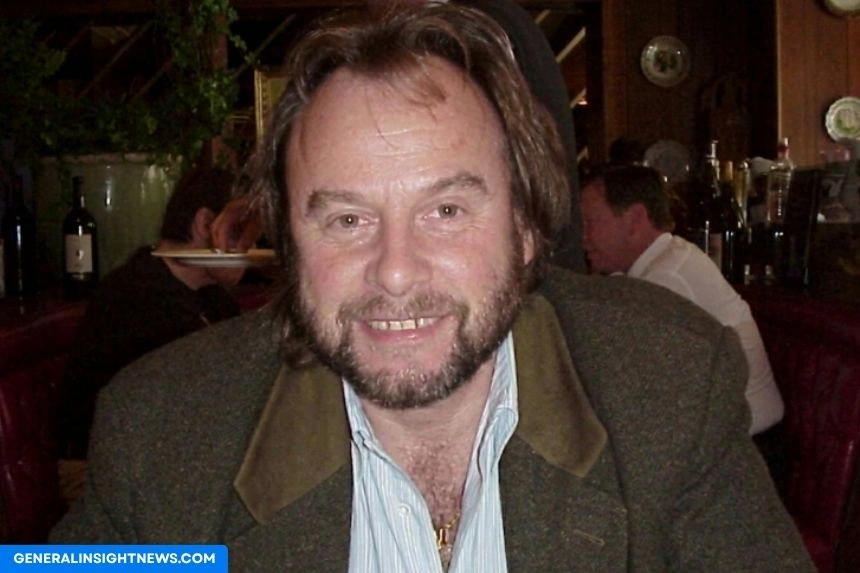
Eddy Quintela was a songwriter and musician whose most widely documented work came through his collaborations with Christine McVie. He was born Eduardo Quintela and became publicly associated with Fleetwood Mac because of the songs he co-wrote with McVie.
Unlike Christine McVie, Stevie Nicks, Lindsey Buckingham, or other high-profile members of the Fleetwood Mac world, Quintela generally worked outside the spotlight. Consequently, his name may be less familiar to casual listeners even though millions of people have heard songs carrying his writing credit.
His importance to Fleetwood Mac history comes from the strength and reach of those compositions. “Little Lies,” for example, became one of the band’s most recognizable late-1980s singles. Official Fleetwood Mac material credits Christine McVie and Eddy Quintela as the songwriters, and the song later appeared on major retrospective collections.
For broader context about the band, readers can explore Fleetwood Mac on Wikipedia, which explains the group’s long history and changing lineup.
How Eddy Quintela Helped Shape “Little Lies”
“Little Lies” remains the song most closely associated with Eddy Quintela’s songwriting legacy.
Released in 1987, the track appeared on Fleetwood Mac’s Tango in the Night. It featured Christine McVie on lead vocals, while the chorus also included the distinctive voices of Lindsey Buckingham and Stevie Nicks.
Official and established discography sources credit Christine McVie and Eddy Quintela as the songwriters. The song became a major hit and later appeared on Fleetwood Mac compilations.
However, the creative history of “Little Lies” also deserves nuance. Songwriting credits identify Quintela as a co-writer, yet individual collaborators may describe the writing process differently. Therefore, a credit confirms his official contribution without necessarily explaining every detail of how each lyric, melody, or musical section developed.
That distinction matters because songwriting is often collaborative. A finished song can emerge through ideas, revisions, melodies, lyrics, arrangements, and studio changes involving several people. Consequently, official credits remain the clearest way to identify recognized authorship.
For readers who want to explore the song’s history, the Wikipedia entry for “Little Lies” provides additional context about its release and chart success.
“Little Lies” Became Eddy Quintela’s Most Famous Credit
Quintela’s name reached a much wider audience through “Little Lies” than through any other single composition.
The song performed strongly on both sides of the Atlantic and became one of Fleetwood Mac’s signature songs from the Tango in the Night era. It also remained part of the band’s long-term legacy through compilation albums and retrospective releases.
Fleetwood Mac’s official 50 Years – Don’t Stop page lists “Little Lies” with the songwriting credit “Christine McVie/Eddy Quintela.” The same official release also includes several other songs bearing Quintela’s name.
Therefore, his influence on the band’s catalog extended beyond one famous hit.
The song also illustrates how a songwriter can become part of popular-music history without becoming a household name. Listeners usually remember the performer first. Nevertheless, the writers behind the song shape the words and musical ideas that make the recording memorable.
In Quintela’s case, “Little Lies” became the clearest public example of that behind-the-scenes influence.
Eddy Quintela’s Other Fleetwood Mac Songs
Eddy Quintela’s songwriting partnership with Christine McVie produced several additional songs.
Among the best documented are:
- “As Long as You Follow”
- “Save Me”
- “Skies the Limit”
- “Love Shines”
- “I Do”
Fleetwood Mac’s official 50 Years – Don’t Stop track listing credits Quintela alongside McVie on all of these songs. That official source is especially useful because it documents his contribution across recordings from different stages of the band’s later catalog.
“As Long as You Follow”
“As Long as You Follow” appeared on Fleetwood Mac’s Greatest Hits collection in 1988. Christine McVie and Eddy Quintela received the songwriting credit.
The song showed that Quintela’s partnership with McVie could produce material for major releases even outside the original studio-album cycle.
“Save Me”
“Save Me” became another important McVie-Quintela collaboration.
The song appeared on Behind the Mask, released in 1990. Shazam’s song-credit information identifies Christine McVie and Eddy Quintela as the writers, while Fleetwood Mac’s official retrospective catalog also credits the pair.
This track became one of the most commercially visible songs from the Behind the Mask period.
“Skies the Limit”
“Skies the Limit” also came from Behind the Mask and carried the Christine McVie/Eddy Quintela writing credit.
Consequently, Quintela’s influence appeared more than once on an album released during a changing phase for Fleetwood Mac.
“Love Shines” and “I Do”
Quintela’s name also appears on “Love Shines” and “I Do,” both co-written with Christine McVie.
Together, these credits demonstrate that the partnership lasted beyond a single hit. Instead, Quintela and McVie developed a recurring creative relationship that produced songs across several releases.
Eddy Quintela and Christine McVie’s Marriage
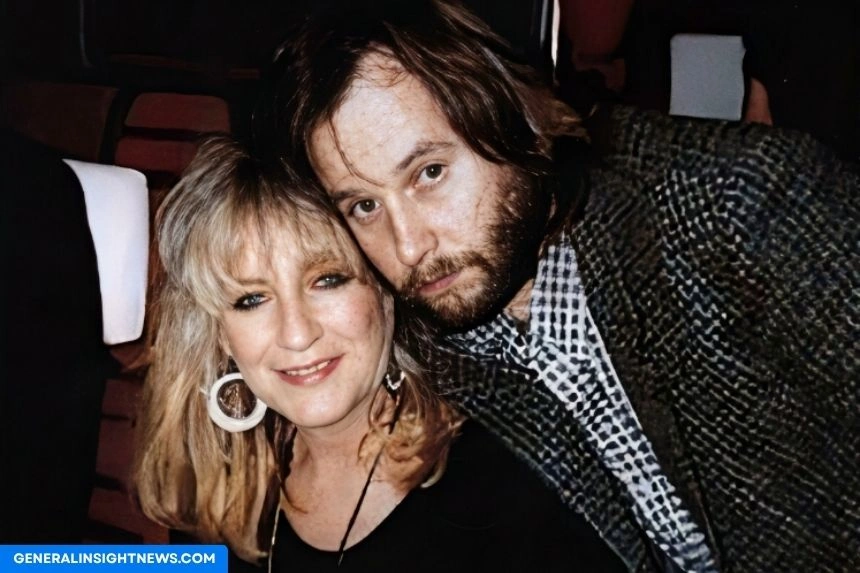
Eddy Quintela married Christine McVie in 1986. Their relationship developed into both a marriage and a creative partnership, with Quintela contributing as a co-writer to several songs associated with McVie’s work.
The timing was significant. Christine McVie returned to a highly active period with Fleetwood Mac around the late 1980s, and the band soon released Tango in the Night. That album became one of Fleetwood Mac’s biggest commercial successes, while “Little Lies” emerged as one of its defining singles.
Therefore, Quintela’s personal and professional connections overlapped closely during this period. Their songwriting partnership produced work that reached an international audience, even though Quintela himself remained largely behind the scenes.
The relationship later ended in divorce. However, the musical connection between Quintela and McVie extended beyond the marriage itself, and songwriting credits continued to link their names in the Fleetwood Mac catalog.
Eddy Quintela’s Place in the Tango in the Night Era
Tango in the Night marked a major period for Fleetwood Mac, and “Little Lies” helped define the album’s sound and success.
The record featured a combination of polished production, layered vocals, and songwriting from several members and collaborators. Christine McVie remained one of the group’s central melodic voices, while her collaboration with Quintela added another important songwriting relationship to the album.
Quintela did not function as a public member of Fleetwood Mac. Instead, he worked as an outside songwriter whose contributions entered the group’s catalog through his partnership with McVie.
That distinction is essential. He should not be described as a Fleetwood Mac band member. However, his songwriting helped shape music released under the Fleetwood Mac name.
Therefore, his role is best understood as that of an important collaborator rather than a member of the group itself.
What Was Eddy Quintela’s Role in Fleetwood Mac?
Eddy Quintela’s role was primarily songwriting.
He collaborated with Christine McVie, and their work produced songs that Fleetwood Mac recorded and released. Official credits provide the strongest evidence for this role.
The official Fleetwood Mac website’s 50 Years – Don’t Stop page lists multiple songs with McVie and Quintela as co-writers. This direct catalog evidence shows that his connection to the band was more substantial than a simple personal relationship with Christine McVie.
However, Quintela was not presented as part of Fleetwood Mac’s performing lineup. He did not replace a band member, tour as a principal member, or become one of the group’s public faces.
Instead, his influence came through the songs.
This is a common pattern in popular music. Some of the most important contributors to an artist’s catalog are writers, producers, arrangers, and session professionals who remain less famous than the performers.
Quintela belongs to that category.
The Creative Partnership Between Eddy Quintela and Christine McVie
Christine McVie had already established herself as one of Fleetwood Mac’s most successful songwriters before her partnership with Eddy Quintela.
Songs such as “Songbird,” “You Make Loving Fun,” “Don’t Stop,” “Say You Love Me,” and “Everywhere” had already demonstrated her ability to write accessible, melodic, emotionally direct music.
Therefore, her work with Quintela did not create her songwriting identity. Instead, it added another creative partnership to an already successful career.
Their collaboration produced material that fit naturally within McVie’s established strengths. The songs often emphasized memorable melodies and clear emotional themes, qualities that remained central to McVie’s writing throughout her career.
The partnership also produced commercially successful results. “Little Lies” became one of the biggest songs associated with McVie’s later Fleetwood Mac work.
Consequently, Quintela’s legacy is strongly connected to the way he complemented an already distinctive songwriter.
Why Eddy Quintela Remained Less Famous Than Christine McVie
The answer largely comes down to visibility.
Christine McVie performed the songs, appeared on albums and tours, and spent decades as a recognizable member of Fleetwood Mac. Eddy Quintela, by contrast, worked primarily as a songwriter.
Songwriters often occupy a different place in public culture. Their names appear in credits, publishing records, album booklets, and databases, yet casual listeners may never know who they are.
Moreover, Quintela did not appear to pursue the same public celebrity profile as McVie.
Therefore, search interest in Eddy Quintela often focuses on two questions: his relationship with Christine McVie and his connection to famous Fleetwood Mac songs.
Both are legitimate parts of his story. However, his musical contributions deserve attention in their own right.
Was Eddy Quintela Portuguese?
Eddy Quintela is widely described as having Portuguese roots, and his birth name, Eduardo Quintela, is associated with Portugal in public biographical references.
However, detailed information about his early life is not as extensively documented by major institutional sources as his later songwriting credits.
Therefore, readers should be cautious about websites that present a long, highly specific biography without identifying strong primary evidence.
The most reliable approach is to focus on what the public record clearly supports: his identity as a songwriter, his marriage and collaboration with Christine McVie, and his official credits on major recordings.
Eddy Quintela’s Work After Behind the Mask
Quintela’s creative connection with Christine McVie did not end after the Behind the Mask era.
His name continued to appear alongside McVie’s on later Fleetwood Mac songs and releases. The official 50 Years – Don’t Stop compilation provides clear evidence through credits for “Love Shines” and “I Do.”
This continuity shows that the partnership had staying power.
Songwriting relationships can change from album to album, especially in a band with as many creative personalities as Fleetwood Mac. However, McVie and Quintela continued to produce credited work across multiple periods.
Therefore, his contribution cannot be reduced to “Little Lies” alone.
That famous song remains the centerpiece of his public legacy. Still, the wider credit history reveals a longer collaboration.
Eddy Quintela and Christine McVie’s Divorce
Eddy Quintela and Christine McVie eventually divorced.
Their separation ended the marriage, but it does not erase the creative work they produced together. Music history often preserves collaborations long after personal relationships change.
Therefore, the songwriting credits remain one of the most lasting records of their partnership.
A careful biography should also avoid inventing private explanations for the divorce. Unless a reliable primary source documents specific details, it is better to state the basic public fact than to repeat speculation.
The lasting public record centers on the songs.
Did Eddy Quintela Have a Solo Music Career?
Reliable public information about a separate solo recording career is limited.
Quintela’s best-known credits come from songwriting rather than from a high-profile career as a recording artist. Therefore, articles that present him as a major solo star would overstate the evidence.
His documented importance lies in collaboration.
Through his work with Christine McVie, he became connected to songs that reached a global audience through Fleetwood Mac. That achievement is significant even without a famous solo catalog.
How Did Eddy Quintela Influence Christine McVie’s Songs?
Eddy Quintela influenced Christine McVie’s later work through co-writing.
However, songwriting influence can take many forms. An official co-writing credit establishes recognized authorship, but it does not always reveal how much each person contributed to every lyric or melody.
Therefore, the safest conclusion is that Quintela played a formally credited creative role in the development of the songs.
That role was especially important because the collaborations appeared repeatedly over time.
Rather than a one-off credit, Quintela’s name became part of a continuing partnership with McVie. The repeated credits suggest an established creative relationship, although the precise internal process behind each song may have differed.
Eddy Quintela’s Most Important Songs
| Song | Main release | Co-writing credit |
|---|---|---|
| “Little Lies” | Tango in the Night | Christine McVie / Eddy Quintela |
| “As Long as You Follow” | Greatest Hits | Christine McVie / Eddy Quintela |
| “Save Me” | Behind the Mask | Christine McVie / Eddy Quintela |
| “Skies the Limit” | Behind the Mask | Christine McVie / Eddy Quintela |
| “Love Shines” | 25 Years – The Chain | Christine McVie / Eddy Quintela |
| “I Do” | Time | Christine McVie / Eddy Quintela |
Fleetwood Mac’s official catalog supports the songwriting connection across several of these releases.
The table also shows the range of Quintela’s work. His credits span multiple releases rather than one isolated recording.
What Was Eddy Quintela’s Net Worth?
No reliable public evidence supports a precise net-worth figure for Eddy Quintela.
Many celebrity and biography websites publish estimated wealth numbers without transparent financial records. However, a number repeated across several websites does not automatically become verified.
Therefore, a responsible profile should not invent or repeat an unsupported estimate.
Quintela earned songwriting credits on commercially significant music, yet his personal finances remain a separate matter. Without dependable public documentation, his exact net worth cannot be stated responsibly.
When Did Eddy Quintela Die?
Eddy Quintela died in 2020.
Because the strongest evidence for his musical legacy comes from official songwriting and release credits, the most useful way to understand his career remains through the catalog he helped create.
His death also renewed interest in his contributions to Christine McVie’s work and to Fleetwood Mac’s later history.
However, readers should be careful with highly detailed online accounts of his final years when those claims rely on weak biography sites, memorial pages, or unverified reposts.
The central facts of his legacy are much clearer than many private details.
Frequently Asked Questions About Eddy Quintela
1. Who was Eddy Quintela?
Eddy Quintela was a songwriter and musician best known for collaborating with Christine McVie and co-writing several songs associated with Fleetwood Mac.
2. Was Eddy Quintela a member of Fleetwood Mac?
No. He was not a member of Fleetwood Mac’s performing lineup. Instead, he contributed as a songwriter.
3. What songs did Eddy Quintela write?
His best-known credits include “Little Lies,” “As Long as You Follow,” “Save Me,” “Skies the Limit,” “Love Shines,” and “I Do,” all associated with collaborations with Christine McVie.
4. Did Eddy Quintela co-write “Little Lies”?
Yes. Official and established music sources credit Christine McVie and Eddy Quintela as the songwriters.
5. Was Eddy Quintela married to Christine McVie?
Yes. Eddy Quintela and Christine McVie married in 1986 and later divorced.
6. What was Eddy Quintela’s role in “Save Me”?
Eddy Quintela co-wrote “Save Me” with Christine McVie.
7. Was Eddy Quintela involved with Behind the Mask?
Yes. He received songwriting credits for “Save Me” and “Skies the Limit,” two Christine McVie-led songs associated with the album.
8. Did Eddy Quintela have a solo career?
Reliable public information mainly documents him as a songwriter and collaborator rather than as a major solo recording artist.
9. What was Eddy Quintela’s net worth?
No reliable public source establishes a precise net-worth figure, so any widely circulated estimate should be treated cautiously.
10. What is Eddy Quintela’s legacy?
His lasting legacy is his songwriting partnership with Christine McVie and his credited contribution to several important Fleetwood Mac songs, especially “Little Lies.”
Eddy Quintela’s Lasting Musical Legacy
Eddy Quintela may not have been a household name, but his songwriting reached millions of listeners.
His most famous collaboration, “Little Lies,” became a defining Fleetwood Mac song of the late 1980s. Meanwhile, other credits, including “As Long as You Follow,” “Save Me,” “Skies the Limit,” “Love Shines,” and “I Do,” show that his work with Christine McVie extended across multiple important releases.
Therefore, the best way to remember Eddy Quintela is not simply as Christine McVie’s former husband. That relationship explains part of his public story, yet his songwriting credits provide the stronger measure of his lasting contribution.
He worked largely outside the spotlight. Nevertheless, the songs remained in the spotlight.
That contrast defines Eddy Quintela’s place in Fleetwood Mac history: a comparatively private songwriter whose creative partnership with Christine McVie helped produce music that continues to reach new listeners.
Read More At General Insight News