


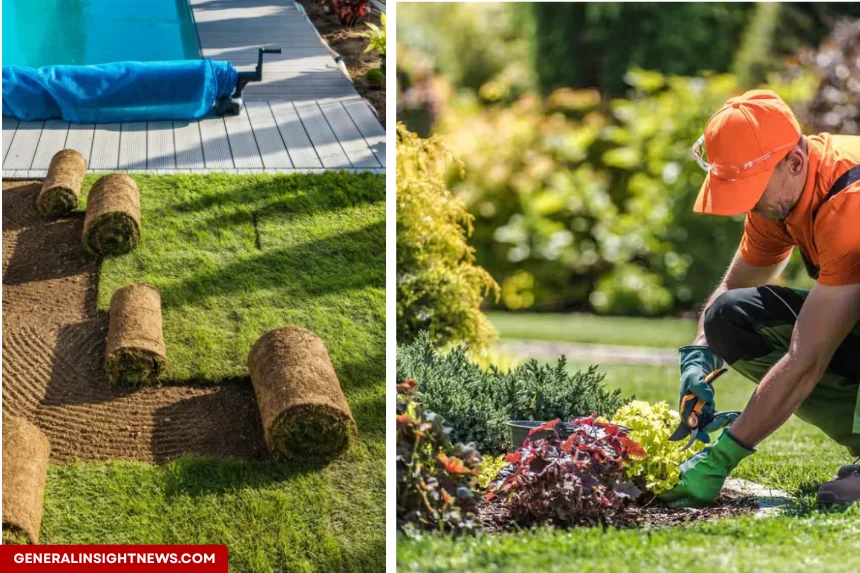
Starting a landscaping business can be a smart way to turn practical outdoor skills into a local service company, but it takes more than a mower, a truck, and a few flyers. You need to choose the right services, understand local licensing rules, price jobs profitably, protect yourself with insurance, and build repeat customers before cash flow becomes stressful.
The U.S. landscaping market is large enough to support new operators, but competition is real. The National Association of Landscape Professionals cites IBISWorld data estimating the landscape services industry at $188.8 billion in 2025, with more than 1.4 million employees and 692,777 landscaping service businesses. IBISWorld separately estimates the U.S. Landscaping Services industry at $176.7 billion in 2026. The difference shows why industry numbers should be treated as estimates, not exact guarantees of opportunity.
This guide explains how to start a landscaping business step by step, from choosing a niche and registering your company to buying equipment, pricing jobs, landing first clients, and building recurring revenue. Licensing, taxes, insurance, and pesticide rules vary by state and city, so use this as a practical roadmap and verify requirements with local agencies and qualified professionals before you launch.
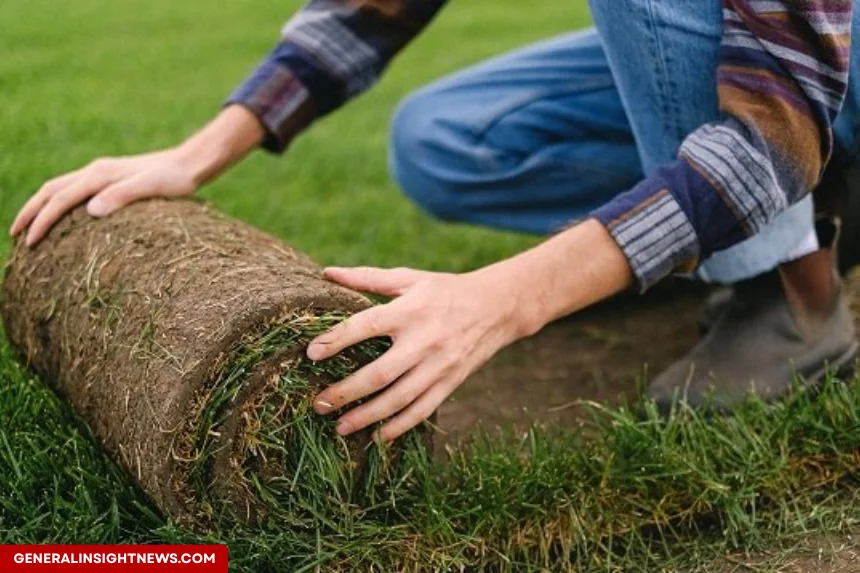
How to Start a Landscaping Business in 10 Steps
To start a landscaping business, choose the services you will offer, research local demand, register your business, check licenses and permits, buy or rent essential equipment, get insurance, set profitable prices, and market to homeowners or commercial properties. A beginner can start lean with mowing and cleanups, then expand after building cash flow.
- Choose your landscaping niche.
- Research your local market and competitors.
- Write a simple business plan.
- Choose a legal structure such as sole proprietorship or LLC.
- Register your business and apply for an EIN when needed.
- Check city, county, state, pesticide, irrigation, and contractor licensing rules.
- Buy, rent, or lease essential tools and equipment.
- Get appropriate insurance before working on customer property.
- Price jobs with labor, materials, overhead, and profit included.
- Market locally and convert early jobs into recurring contracts.
Landscaping businesses usually fail from poor pricing, weak cash flow, missing insurance, or taking on jobs outside their skill level. Start with services you can deliver well, then expand once your schedule, profit margins, and systems prove stable.
Choose the Right Landscaping Business Model
The best landscaping business model depends on your skills, budget, equipment, and local demand. Lawn care and maintenance usually offer the easiest entry point because they require less specialized equipment and create recurring work. Hardscaping, irrigation, and design can generate larger jobs but require more skill, capital, and liability protection.
Lawn Care and Maintenance
Lawn care includes mowing, trimming, edging, blowing, weeding, seasonal cleanup, and simple shrub pruning. This model fits beginners because customers need repeat service every one to two weeks during growing season. A solo operator can begin with a used commercial mower, trimmer, blower, hand tools, and a reliable vehicle or trailer.
Landscape Installation
Landscape installation includes mulch, plants, shrubs, garden beds, sod, small drainage improvements, and basic design work. These jobs can pay more than mowing, but they require better estimating because materials, disposal, delivery, and labor mistakes can erase profit quickly.
Hardscaping
Hardscaping includes patios, retaining walls, walkways, pavers, outdoor steps, and similar built features. This can become a high-ticket niche, but it also carries higher risk. Some areas require contractor licenses, permits, engineering standards, or inspections for retaining walls, drainage, and structural work.
Irrigation, Fertilization, and Chemical Services
Irrigation repair, fertilization, weed control, and pesticide or herbicide applications can create recurring revenue, but many states regulate these services. Check applicator licensing, chemical storage, safety training, and insurance requirements before advertising these offers.
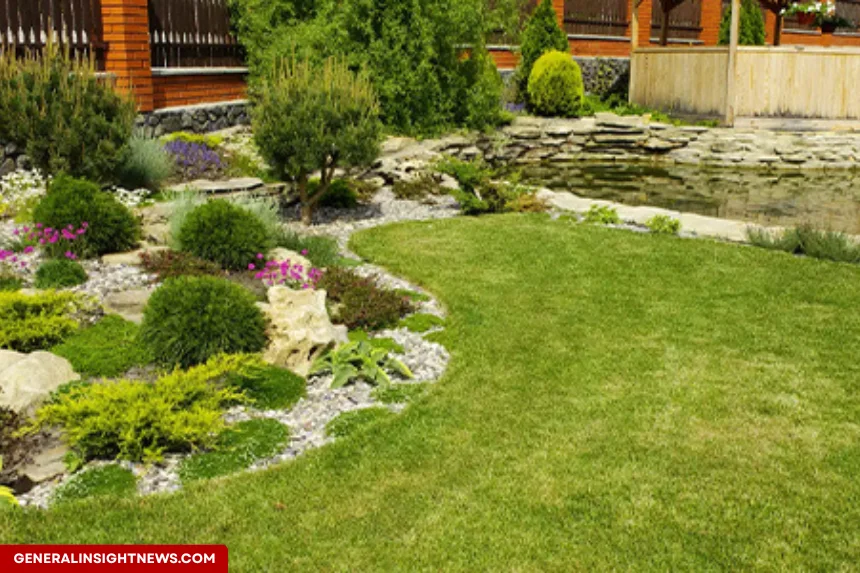
How Much Does It Cost to Start a Landscaping Business?
A lean solo landscaping business may start with a few hundred to a few thousand dollars if you already own basic tools and a vehicle. A standard lawn care startup often costs $5,000 to $15,000. A full-service landscaping or hardscaping launch can require $25,000 to $85,000 or more, depending on trucks, trailers, equipment, insurance, and working capital.
| Startup level | Typical setup | Estimated cost range |
| Lean solo startup | Used mower, trimmer, blower, basic hand tools, existing vehicle | $500-$5,000 |
| Standard lawn care startup | Commercial mower, trimmer, blower, trailer, fuel cans, PPE, insurance | $5,000-$15,000 |
| Full-service launch | Truck or trailer, commercial equipment, website, insurance, materials float, software | $15,000-$50,000+ |
| Design/hardscape startup | Specialty tools, rentals, crew, larger liability coverage, higher working capital | $25,000-$85,000+ |
DynaScape estimates that a basic new-equipment setup can start around $12,000 and rise to $85,000 or more depending on the services offered. That does not mean every beginner needs to spend that much. A safer launch plan is to buy only the tools you use weekly, rent specialty equipment, and upgrade after the work proves profitable.
Startup cost depends on service scope. Mowing is cheaper to launch than hardscaping, and renting specialty tools can protect your cash while you test demand.
Can You Start a Landscaping Business With No Money?
You can start a landscaping business with very little money, but you must start small, use existing tools, rent equipment when needed, and avoid promising services you cannot deliver. The easiest low-cash services are mowing, weeding, leaf cleanup, small mulch jobs, and subcontracting for established landscapers.
A no-money launch works best when you sell labor first and buy equipment later. For example, you could offer weekend cleanup work, help an established contractor as a subcontractor, or take small neighborhood mowing jobs using tools you already own. Ask for deposits on material-heavy jobs and never use a customer deposit for unrelated expenses.
The risk is overcommitting. If a customer asks for grading, irrigation, tree removal, pavers, or pesticide work, do not accept the job unless you have the equipment, insurance, license, and experience to do it correctly.
Write a Simple Landscaping Business Plan
A landscaping business plan should list your services, service area, target customers, startup budget, pricing method, marketing plan, monthly revenue goal, and first 90-day milestones. The plan does not need to be long. It needs to stop you from underpricing, overspending, or accepting jobs that do not match your tools and skills.
| Business plan section | What to include |
| Services | Mowing, cleanups, mulch, planting, pruning, hardscaping, irrigation, or other defined offers |
| Target customer | Homeowners, HOAs, rental properties, commercial sites, realtors, property managers |
| Service area | Specific neighborhoods, cities, ZIP codes, or drive-time radius |
| Startup budget | Equipment, registration, licenses, insurance, software, fuel, materials, marketing |
| Pricing method | Hourly cost, job pricing formula, recurring package rates, minimum service charge |
| Marketing plan | Google Business Profile, referrals, yard signs, local SEO, Facebook groups, Nextdoor |
| Milestones | First 5 clients, first 10 reviews, first recurring contracts, first equipment upgrade |
A good plan gives you boundaries. It tells you which jobs to chase, which jobs to decline, and how much revenue you need before upgrading equipment or hiring help.
Register the Business and Choose a Legal Structure
Most landscaping owners choose either a sole proprietorship for simplicity or an LLC for more separation between personal and business liability. The U.S. Small Business Administration explains that business structure affects taxes, paperwork, fundraising ability, and personal liability, so choose carefully and speak with a professional when needed.
Sole Proprietorship vs LLC
A sole proprietorship is simple and inexpensive, but your personal and business risks can be harder to separate. An LLC usually costs more to form and maintain, but it can create a clearer legal separation between you and the company. Liability protection is not automatic in every situation, so keep separate books, a business bank account, contracts, and proper insurance.
Business Name, EIN, and Bank Account
After choosing a structure, pick a business name, check name availability, register with your state or local government, and apply for an Employer Identification Number if needed. The SBA notes that registration can be simple for many small businesses and that licenses and permits depend on business activities and location. Open a business bank account before you collect customer payments so income and expenses do not mix with personal spending.
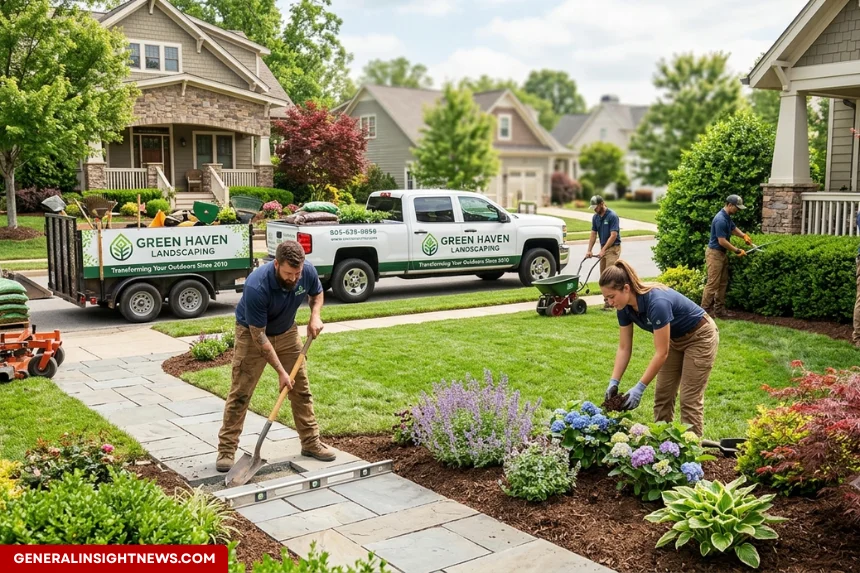
Landscaping Licenses and Permits You May Need
Landscaping license requirements depend on your state, city, county, and service type. Many basic mowing businesses need a general business license, but contractor, pesticide, herbicide, irrigation, tree, drainage, or home-improvement work may require additional permits or certifications. Always check local rules before advertising regulated services.
- General business license or local business tax registration
- State contractor license for certain installation or hardscaping jobs
- Pesticide or herbicide applicator certification
- Irrigation license or plumbing-related permit in some areas
- Sales tax permit if your state taxes certain products or services
- Home occupation or zoning approval if storing equipment at home
- Door-to-door solicitation permit if you canvass neighborhoods
Forbes gives examples of state-specific landscaping contractor licenses, including California and Utah, which illustrates why there is no single nationwide landscaping license. Build a launch checklist for your exact service area before taking paid jobs.
What Insurance Does a Landscaping Business Need?
A landscaping business usually needs general liability insurance first, then commercial auto, workers’ compensation when hiring, and equipment coverage as tools become more valuable. If you apply chemicals, provide design advice, plow snow, or do hardscaping, you may need additional coverage.
| Insurance type | Why it matters |
| General liability | Helps cover third-party injury and property damage claims, such as broken windows or trip-and-fall incidents |
| Commercial auto | Covers business use of trucks, vans, and trailers; personal auto policies may exclude business use |
| Workers’ compensation | Usually required when you hire employees and helps cover work-related injuries |
| Inland marine/equipment coverage | Helps protect tools and equipment in transit, storage, or on jobsites |
| Commercial property | Covers owned or rented business property, depending on policy terms |
| Pesticide/herbicide coverage | Important if your services include chemical applications |
| Professional liability | Useful if you provide design plans, recommendations, or consulting |
The Hartford lists several landscaping-related coverages, including general liability, commercial auto, workers’ compensation, commercial property, business income, herbicide/pesticide coverage, snowplow operations, and inland marine insurance. The exact mix depends on your services and state law.
Essential Landscaping Equipment for Beginners
A beginner landscaping business should buy only the equipment needed for its first services. For basic lawn care, start with a mower, string trimmer, edger, leaf blower, hand tools, safety gear, fuel cans, and reliable transportation. Rent specialty equipment until you use it often enough to justify buying.
Basic Lawn Care Equipment
- Commercial or reliable used mower
- String trimmer and edger
- Leaf blower
- Rakes, shovels, pruning shears, loppers, and hand tools
- Wheelbarrow or garden cart
- Fuel cans, oil, spare line, blades, and maintenance supplies
- Safety glasses, hearing protection, gloves, boots, sun protection, and first aid kit
Transportation and Storage
A pickup truck, cargo van, or trailer can work depending on the size of your equipment. Secure storage matters because theft and weather damage can wipe out a new operator’s savings. Keep a maintenance log for blades, belts, oil, filters, tires, trimmers, and trailers.
Buy, Rent, or Lease?
Buy tools you use every week. Rent stump grinders, aerators, trenchers, sod cutters, compactors, mini skid steers, or specialty tools until demand becomes predictable. Lease trucks or larger machines only after recurring revenue can support the payment during slow months.
How to Price Landscaping Jobs
Price landscaping jobs by adding labor, materials, fuel, equipment cost, disposal fees, overhead, and profit margin. Do not copy competitor prices blindly because their crew speed, equipment, overhead, and profit targets may differ from yours.
Use this simple pricing formula:
Labor + materials + equipment cost + fuel/travel + overhead + profit margin = job price
| Cost category | Example items to include |
| Labor | Your time, employee wages, payroll taxes, setup, cleanup, drive time |
| Materials | Mulch, plants, sod, stone, soil, edging, fertilizer, disposal bags |
| Equipment | Rental fees, wear and tear, mower hours, trailer use, repairs |
| Travel and fuel | Truck fuel, route time, tolls, parking, dump runs |
| Overhead | Insurance, phone, software, website, accounting, licenses, shop/storage |
| Profit | Margin that funds growth, taxes, slow season reserves, and owner compensation |
Example: If a mulch job takes 6 labor hours at a $35 loaded labor rate, uses $260 in mulch, costs $40 in fuel and dump/travel time, and requires $75 in overhead/profit buffer, the minimum job price is $585 before adding your desired profit margin if it was not already included. Track actual time after each job so estimates improve.
How to Get Your First Landscaping Customers
The fastest way to get your first landscaping customers is to combine local visibility with trust signals: create a Google Business Profile, take before-and-after photos, ask for reviews, post in neighborhood groups, use yard signs where allowed, and ask satisfied clients for referrals.
- Set up a Google Business Profile with service area, hours, photos, and quote request details.
- Create a simple one-page website with services, photos, service area, and contact form.
- Post before-and-after photos from every job, with customer permission.
- Use yard signs, door hangers, and truck/trailer decals where local rules allow them.
- Join local Facebook groups and Nextdoor, but follow community posting rules.
- Ask realtors, property managers, landlords, and small commercial property owners for recurring work.
- Offer referral rewards that protect profit, such as a small discount on the next maintenance visit.
Early customers need proof that you will show up, communicate clearly, and leave the property clean. Photos, reviews, punctuality, and simple quotes build trust faster than generic ads.
Build Recurring Revenue With Maintenance Contracts
Recurring maintenance contracts make a landscaping business more stable because they turn one-time customers into predictable monthly or seasonal revenue. Offer mowing, edging, pruning, spring cleanup, fall cleanup, mulch refreshes, and seasonal packages before chasing only large one-off projects.
Recurring work helps with scheduling, cash flow, equipment planning, and hiring. For example, 25 weekly mowing customers at an average of $55 per visit can create a base of $1,375 per week during peak season before upsells such as mulch, aeration, trimming, or cleanup.
Use clear agreements. State the service frequency, price, payment terms, weather delays, cancellation policy, and what is excluded. A short written agreement prevents arguments about weeds, extra debris, dog waste, locked gates, or storm cleanup.
Safety, Training, and Jobsite Risk
Landscaping has real safety risks, including chemicals, noise, machinery, lifting, construction activity, and weather. OSHA identifies these hazards for landscaping and horticultural services, so new owners should treat safety training and protective equipment as launch requirements, not optional extras.
- Wear eye protection, hearing protection, gloves, boots, and sun protection.
- Train workers on mower, trimmer, blower, trailer, and ladder safety.
- Build heat-stress procedures for hot weather, breaks, hydration, and scheduling.
- Store and label fuel, oil, fertilizers, pesticides, and herbicides safely.
- Document incidents, near-misses, training, and equipment maintenance.
- Do not let untrained workers operate machinery or apply chemicals.
Safety protects workers, customers, equipment, and profit. One preventable injury or property-damage claim can cost more than the price of proper training and insurance.
30/60/90-Day Landscaping Business Launch Plan
A 90-day launch plan helps a new landscaping owner move from idea to paying clients without overspending. The first 30 days should focus on setup, the next 30 on winning early customers, and days 61-90 on improving pricing, reviews, and recurring packages.
| Timeline | Action plan |
| First 30 days | Choose niche, set service area, register business, check licensing, buy essential tools, get insurance quotes, create Google Business Profile, draft price sheet |
| Days 31-60 | Get first 5-10 clients, take before/after photos, track job time, request reviews, refine estimates, build simple website, start referral system |
| Days 61-90 | Add recurring packages, identify profitable services, upgrade one bottleneck tool, create route schedule, review cash flow, decide whether part-time help is needed |
Common Mistakes to Avoid
New landscaping businesses usually struggle when they buy too much equipment, underprice jobs, skip insurance, ignore licenses, or accept work outside their skill level. The safest growth path is to start narrow, track every job, and reinvest profits into tools and systems that remove real bottlenecks.
- Buying expensive equipment before securing customers.
- Underpricing by forgetting fuel, repairs, taxes, dump fees, admin time, and overhead.
- Skipping insurance before working on customer property.
- Ignoring state or local licenses for pesticides, irrigation, or contractor work.
- Accepting hardscaping, drainage, or tree jobs without proper skill and coverage.
- Failing to collect deposits on material-heavy jobs.
- Not tracking job time, route time, and profit by service.
- Relying only on one-time jobs instead of recurring contracts.
- Hiring employees before revenue and systems can support them.
- Letting customer communication happen only by memory instead of written estimates and invoices.
Quick Startup Checklist
- Choose your services and service area.
- Research local competitors and customer needs.
- Pick a business name and check availability.
- Choose a business structure and register if required.
- Apply for an EIN if needed and open a business bank account.
- Check city, county, state, pesticide, irrigation, and contractor rules.
- Buy or rent only essential equipment.
- Get insurance quotes before starting paid work.
- Create a price sheet and job estimate template.
- Set up Google Business Profile and a simple website.
- Take before/after photos and ask for reviews.
- Build recurring maintenance packages.
- Track every job’s time, cost, and profit.
- Save for taxes, repairs, slow season, and equipment replacement.
When to Scale Your Landscaping Business
Scale a landscaping business only after your pricing is profitable, your schedule is consistently full, your customers pay reliably, and your systems can handle more work. Growth should improve profit and service quality, not just create more chaos.
Hire your first employee when you have enough recurring work to cover wages, payroll taxes, workers’ compensation, training time, and slow weeks. Add new services only after confirming demand, licensing rules, equipment needs, and margins. Track profit by service line so you know whether mowing, cleanup, mulch, planting, or hardscaping actually funds growth.
FAQs
How much money do you need to start a landscaping business?
You may need as little as $500-$5,000 for a lean solo launch if you already own basic tools and transportation. A standard lawn care setup often costs $5,000-$15,000, while full-service landscaping or hardscaping can require much more.
Can I start a landscaping business with no money?
You can start with very little money by using existing tools, selling labor-heavy services, renting equipment, and taking small jobs first. Do not accept regulated or equipment-heavy work until you have the license, skill, and coverage to perform it safely.
Do I need an LLC for a landscaping business?
You do not always need an LLC to start, but many owners choose one to separate business identity from personal identity. An LLC does not replace insurance, contracts, bookkeeping, or professional tax and legal advice.
Do landscapers need a license?
Some landscapers need only a general business license, while others need contractor, pesticide, irrigation, or local permits. Requirements vary by state, city, county, and service type, so check local rules before advertising.
What insurance do I need for a landscaping business?
Most landscaping businesses should start with general liability insurance and commercial auto coverage if they use vehicles for work. Workers’ compensation, equipment coverage, pesticide coverage, and professional liability may apply as the business grows.
What equipment do I need to start?
A beginner lawn care business usually needs a mower, string trimmer, edger, blower, hand tools, PPE, fuel cans, and transportation. Rent specialty equipment until you use it often enough to justify buying.
Is landscaping profitable?
Landscaping can be profitable when you price jobs correctly, control overhead, sell recurring services, and avoid unprofitable work. Profit depends on labor efficiency, route density, service mix, equipment costs, and local competition.
How do I price landscaping jobs?
Use a formula that includes labor, materials, equipment cost, fuel, disposal, overhead, and profit. Track actual time and costs after every job so future estimates become more accurate.
How do I get my first landscaping clients?
Start with Google Business Profile, neighborhood referrals, local groups, before-and-after photos, yard signs where allowed, and partnerships with realtors or property managers. Ask every satisfied customer for a review and referral.
Should I start with residential or commercial clients?
Most beginners start with residential clients because sales cycles are shorter and jobs are easier to manage. Commercial clients can become valuable later, but they often expect insurance certificates, consistent staffing, and formal contracts.
What is the easiest landscaping service to start with?
Basic lawn care, leaf cleanup, weeding, and mulch refreshes are among the easiest services to start with. They require less specialized licensing and equipment than hardscaping, irrigation, tree work, or chemical applications.
How do I start while working full-time?
Start with weekend or evening services that fit your schedule, such as cleanups, small mowing routes, or mulch jobs. Keep your service area tight, avoid overbooking, and reinvest profits before leaving your job.
When should I hire my first employee?
Hire after your schedule is consistently full, your pricing covers labor and payroll costs, and your systems can train someone safely. Hiring too early can turn a busy business into a cash-flow problem.
What are the biggest risks in landscaping?
Common risks include equipment injuries, property damage, heat illness, vehicle accidents, chemical exposure, underpricing, theft, and slow-season cash shortages. Insurance, safety training, contracts, and cash reserves reduce those risks.
How can I grow without overspending?
Grow by improving route density, raising prices on underpriced jobs, selling recurring packages, renting specialty tools, and upgrading only the equipment that removes bottlenecks. Avoid buying machines just because competitors own them.
Conclusion
Starting a landscaping business is most manageable when you launch with a narrow service list, realistic equipment budget, local license checks, strong insurance, and profitable pricing. Begin with jobs you can perform well, document your process, and use recurring clients to stabilize cash flow before expanding.
Your next step is simple: choose your first three services, price them with the full cost formula, verify local requirements, and build a 30-day plan to win your first five paying customers.
Discover more on our website about jennifer-pfautch